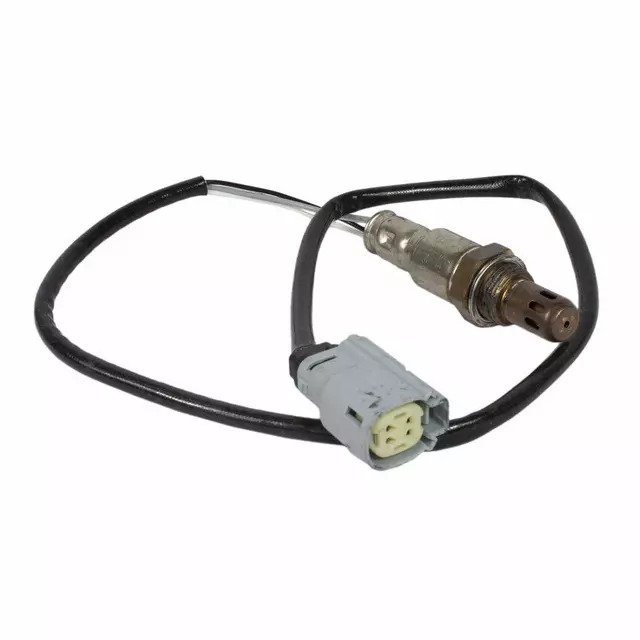
Ford Motorcraft Post O2 Sensor - DY1291 - Mustang GT 15-17 Automatic : #FR3Z-9G444-A
Motorcraft Post O2 Sensor - Mustang GT 2015-17 Automatic - #FR3Z-9G444-A
Motorcraft Oxygen Sensors are engineered to provide original equipment performance and reliability. All Motorcraft Oxygen Sensor designs undergo rigorous lab and real world tests in order to meet Ford engineering standards.
Features & Benefits:
- Motorcraft Sensors must pass, depending on application, durability tests for thermal cycling and shock, vibration, humidity, and corrosion.
- Electrical tests measures sensor output across a wide range of simulated operating conditions as well as for electrical interference.
- Functional tests helps ensure sensors perform as designed and send accurate signals to ECM.
- Mechanical testing replicates typical handling and installation procedures.
- Sealed sensors use OE connectors for sure and accurate fit. Consolidated single wire length with a no key connector allows for easy installation and coverage for multiple applications.
- Sensor is the same as when the vehicle was produced, designed to strict tolerances to help minimize false check engine lights.
- Protective sleeve helps shield wire leads from heat and pre lubricated with anti seize compound for easy installation.
An OBD Scan Tool will usually identify Oxygen Sensors by the Bank Number (B1 = Bank 1) and Sensor Number (S1 = Sensor 1). Bank 1 will always contain Cylinder 1, which is located closest to the front of the engine.
Part manufacturers often use different terms than scan tools to identify sensor positions. Regardless of the vehicle's engine orientation, the right or left bank is determined by viewing the engine from the rear (opposite the drive belts).
A Upstream Sensor (Before Converter)B Downstream Sensor (After Converter)C Left or Front Upstream Sensor (Before Converter)D Right or Rear Upstream Sensor (Before Converter)


 Common O2 Sensor Contaminants
Oxygen (O2) Sensors commonly fail due to contamination. When checking or replacing an O2 Sensor, visually inspect the sensor body to determine if it has been contaminated by a faulty part or substance upstream, and correct the fault before replacing the sensor.
ANTIFREEZE POISONING Common Causes: - Cracked or warped cylinder head
- Leaking cylinder head gasket
- Leaking intake manifold gasket

Antifreeze Poisoned O2 SensorSILICONE POISONING Common Causes: - Use of an improper silicone gasket sealant on the engine

Silicone Poisoned O2 SensorCARBON BUILDUP Common Causes: - Clogged air filter
- Leaking or defective fuel injector

Carbon Buildup O2 SensorAn oxygen sensor socket can make removal and installation of this part easier.
Manufacturers recommend replacing Oxygen Sensors in pairs (both pre-cat and post-cat). An older, slower sensor can cause an imbalance in the engine management system, leading to poor fuel economy, MOT failure and possible damage to Catalytic Converter.
Motorcraft Post O2 Sensor - Mustang GT 2015-17 Automatic - #FR3Z-9G444-A
Motorcraft Oxygen Sensors are engineered to provide original equipment performance and reliability. All Motorcraft Oxygen Sensor designs undergo rigorous lab and real world tests in order to meet Ford engineering standards.
Features & Benefits:
- Motorcraft Sensors must pass, depending on application, durability tests for thermal cycling and shock, vibration, humidity, and corrosion.
- Electrical tests measures sensor output across a wide range of simulated operating conditions as well as for electrical interference.
- Functional tests helps ensure sensors perform as designed and send accurate signals to ECM.
- Mechanical testing replicates typical handling and installation procedures.
- Sealed sensors use OE connectors for sure and accurate fit. Consolidated single wire length with a no key connector allows for easy installation and coverage for multiple applications.
- Sensor is the same as when the vehicle was produced, designed to strict tolerances to help minimize false check engine lights.
- Protective sleeve helps shield wire leads from heat and pre lubricated with anti seize compound for easy installation.
An OBD Scan Tool will usually identify Oxygen Sensors by the Bank Number (B1 = Bank 1) and Sensor Number (S1 = Sensor 1). Bank 1 will always contain Cylinder 1, which is located closest to the front of the engine.
Part manufacturers often use different terms than scan tools to identify sensor positions. Regardless of the vehicle's engine orientation, the right or left bank is determined by viewing the engine from the rear (opposite the drive belts).
A Upstream Sensor (Before Converter)B Downstream Sensor (After Converter)C Left or Front Upstream Sensor (Before Converter)D Right or Rear Upstream Sensor (Before Converter)
Common O2 Sensor ContaminantsOxygen (O2) Sensors commonly fail due to contamination. When checking or replacing an O2 Sensor, visually inspect the sensor body to determine if it has been contaminated by a faulty part or substance upstream, and correct the fault before replacing the sensor.
ANTIFREEZE POISONING Common Causes: - Cracked or warped cylinder head
- Leaking cylinder head gasket
- Leaking intake manifold gasket
Antifreeze Poisoned O2 SensorSILICONE POISONING Common Causes: - Use of an improper silicone gasket sealant on the engine
Silicone Poisoned O2 SensorCARBON BUILDUP Common Causes: - Clogged air filter
- Leaking or defective fuel injector
Carbon Buildup O2 SensorAn oxygen sensor socket can make removal and installation of this part easier.
Manufacturers recommend replacing Oxygen Sensors in pairs (both pre-cat and post-cat). An older, slower sensor can cause an imbalance in the engine management system, leading to poor fuel economy, MOT failure and possible damage to Catalytic Converter.
Description
Motorcraft Post O2 Sensor - Mustang GT 2015-17 Automatic - #FR3Z-9G444-A
Motorcraft Oxygen Sensors are engineered to provide original equipment performance and reliability. All Motorcraft Oxygen Sensor designs undergo rigorous lab and real world tests in order to meet Ford engineering standards.
Features & Benefits:
- Motorcraft Sensors must pass, depending on application, durability tests for thermal cycling and shock, vibration, humidity, and corrosion.
- Electrical tests measures sensor output across a wide range of simulated operating conditions as well as for electrical interference.
- Functional tests helps ensure sensors perform as designed and send accurate signals to ECM.
- Mechanical testing replicates typical handling and installation procedures.
- Sealed sensors use OE connectors for sure and accurate fit. Consolidated single wire length with a no key connector allows for easy installation and coverage for multiple applications.
- Sensor is the same as when the vehicle was produced, designed to strict tolerances to help minimize false check engine lights.
- Protective sleeve helps shield wire leads from heat and pre lubricated with anti seize compound for easy installation.
An OBD Scan Tool will usually identify Oxygen Sensors by the Bank Number (B1 = Bank 1) and Sensor Number (S1 = Sensor 1). Bank 1 will always contain Cylinder 1, which is located closest to the front of the engine.
Part manufacturers often use different terms than scan tools to identify sensor positions. Regardless of the vehicle's engine orientation, the right or left bank is determined by viewing the engine from the rear (opposite the drive belts).
A Upstream Sensor (Before Converter)B Downstream Sensor (After Converter)C Left or Front Upstream Sensor (Before Converter)D Right or Rear Upstream Sensor (Before Converter)
Common O2 Sensor ContaminantsOxygen (O2) Sensors commonly fail due to contamination. When checking or replacing an O2 Sensor, visually inspect the sensor body to determine if it has been contaminated by a faulty part or substance upstream, and correct the fault before replacing the sensor.
ANTIFREEZE POISONING Common Causes: - Cracked or warped cylinder head
- Leaking cylinder head gasket
- Leaking intake manifold gasket
Antifreeze Poisoned O2 SensorSILICONE POISONING Common Causes: - Use of an improper silicone gasket sealant on the engine
Silicone Poisoned O2 SensorCARBON BUILDUP Common Causes: - Clogged air filter
- Leaking or defective fuel injector
Carbon Buildup O2 SensorAn oxygen sensor socket can make removal and installation of this part easier.
Manufacturers recommend replacing Oxygen Sensors in pairs (both pre-cat and post-cat). An older, slower sensor can cause an imbalance in the engine management system, leading to poor fuel economy, MOT failure and possible damage to Catalytic Converter.